The Big Plastic Count: Why Recycling Isn’t Enough

Introduction: Even When We Try, Plastic Wins

As a UK household, we do what we can to keep single-use plastic out of our home. We order a weekly veg box delivery to support local growers and reduce our food miles, we opt for loose produce whenever it’s available, we favour product because of their choice of packaging (when affordable).

As we wrote in our guide on the myth of perfect sustainability, small individual efforts matter but single-use plastic still finds a way onto our kitchen counters.

Whether it’s the film around a block of cheese, a label on a container, or packaging from something we couldn’t source loose, we regularly end up with a pile of plastic waste. Every week, we find ourselves either bagging up soft plastics to return to supermarket collection points or filling up our household recycling bin—hoping that our efforts are making a real difference.

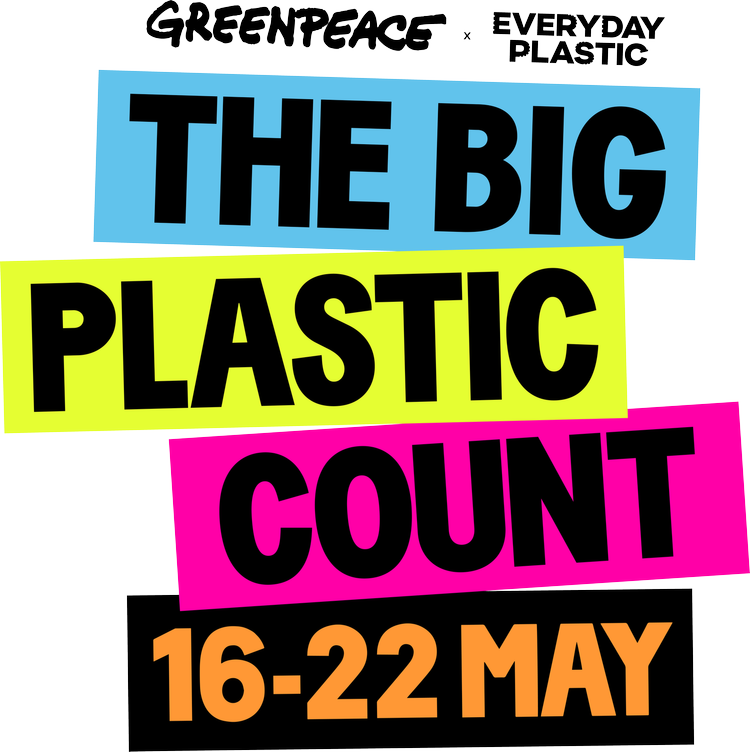
If this sounds familiar, you aren’t alone. And that’s exactly why The Big Plastic Count—the UK’s largest-ever citizen science investigation into household plastic—was such a critical wake-up call.

Organised by Greenpeace UK and Everyday Plastic, hundreds of thousands of households, schools, and community groups tracked every single piece of throwaway plastic for seven days. The goal wasn’t to shame everyday consumers, but to gather hard evidence to show government ministers and major brands that the system itself is broken.

The Shocking Scale of Household Waste

The sheer volume of plastic recorded during the count revealed just how impossible it is for individual action alone to stop the plastic tide. The UK currently generates more plastic waste per person than almost any other country on Earth, second only to the United States.

The numbers speak for themselves:

  • 1.7 Billion Pieces a Week: UK households throw away an estimated 1.7 billion pieces of plastic packaging every single week—totalling roughly 90 billion pieces every year.
  • 60 Items Per Household: Even conscious households average around 60 pieces of plastic packaging every 7 days.
  • Food Packaging is the Biggest Offender: Over 80% of the plastic counted came from food and drink packaging. The most common items were snack wrappers and thin, flexible fruit and vegetable packaging—the exact packaging many of us try so hard to avoid.

Where Does Our Plastic Waste Really Go?

While supporting a circular economy by choosing products made from recycled materials is a fantastic habit, the findings from The Big Plastic Count exposed a harsh truth: the UK cannot recycle its way out of this crisis.

Despite our collective efforts at the curb, domestic recycling infrastructure simply cannot handle the sheer volume of plastic being produced. Here is what actually happens to our household packaging once it leaves our hands:

  1. Only ~16–17% is Recycled in the UK: A tiny fraction of what we throw away is actually reprocessed into new products domestically.
  2. Over 55% is Incinerated (Burnt): More than half of all UK household plastic packaging ends up in incinerators. Burning plastic releases toxic chemicals and heavy carbon emissions—often producing more CO2 per tonne than burning coal.
  3. 14–16% is Exported Overseas: Millions of tonnes of plastic waste are shipped abroad to countries with less developed waste infrastructure, effectively offloading our pollution onto other communities.
  4. 10–11% Goes to Landfill: The remaining fraction ends up buried underground, slowly breaking down into persistent microplastics.

Turning Off the Tap at the Source

It’s easy to feel guilty when single-use plastic sneaks into your shopping trolley. But the truth is, consumers are trapped in a high-plastic environment. Fossil fuel and packaging companies continue to flood the market with cheap, unrecyclable soft plastics because it serves their bottom line.

Trying to solve this crisis purely through recycling and return points is like trying to mop up a flooded bathroom while the bath tap is still running at full blast. We have to turn off the tap.

What Systemic Change Should Look Like

To tackle plastic pollution at its root, campaigns like The Big Plastic Count are pushing government officials and corporate leaders to take decisive action:

  • Cut Plastic Production: Set legally binding targets to reduce single-use plastic production by at least 50%, forcing a transition toward reusable and refillable systems.
  • Mandate Loose Produce: Require supermarkets to sell fresh fruit and vegetables loose, eliminating unnecessary plastic wrap altogether.
  • Ban Waste Exports: End the practice of shipping UK plastic waste abroad for other countries to manage.
  • Halt New Incinerators: Stop the expansion of waste incineration facilities that pollute local communities and accelerate climate change.

What We Can Do Next

Individual choices—like buying loose, ordering veg boxes, and recycling—matter because they signal demand for a cleaner world. But pairing those choices with collective action is how we drive real change:

  1. Keep Audit Pressure On: Pay attention to what enters your household bin each week. When you see unnecessary packaging, let the supermarket or brand know on social media or via customer feedback.
  2. Support Local & Refill: Where budget and location allow, keep supporting local veg box schemes, independent green-grocers, and refill stores that prioritize zero-waste supply chains.
  3. Demand Legislative Action: Support ongoing campaigns by Everyday Plastic and Greenpeace UK, sign petitions calling for a strong Global Plastics Treaty, and write to your local MP urging them to support targets that reduce plastic production.

Final Thoughts

Taking individual responsibility—whether that’s rinsing out a yogurt pot or bringing soft plastics back to the supermarket—shows how much the public cares about protecting the environment. But The Big Plastic Count proved that holding consumers responsible for a system designed around plastic is unfair and ineffective.

It’s time to stop blaming ourselves for the plastic in our bins and start demanding that manufacturers and policy-makers turn off the tap for good.

Explore our Activism Hub and Recycling Archive to learn more ways we can challenge plastic producers and demand corporate accountability.