

Take a look around your living room. Your smartphone, your wireless headphones, that sleek coffee maker on the counter. Just how long do you honestly expect them to last? Three years? Five, if you’re lucky?
When these gadgets inevitably slow down or stop working, the story is usually the same: the battery is glued shut, the software updates have stopped, and a replacement part costs almost as much as a brand-new model.
We tend to think of this “throwaway culture” as a modern frustration born out of the Silicon Valley tech boom. But the truth is much older, and much more calculated. We have just crossed a grim milestone: we have officially endured 100 years of manufactured waste.
It is time to look back at how we got here, and why we are finally ready to fight for our Right to Repair.
The Secret Deal That Changed the World
Our story begins in December 1924 in a smoke-filled room in Geneva. Representatives from the world’s leading lightbulb manufacturers including Osram, Philips, and General Electric gathered to form the Phoebus Cartel.
At the time, standard lightbulbs routinely lasted upwards of 2,500 hours. (In fact, the famous “Centennial Bulb” in a California fire station has been burning continuously since 1901!) But for the cartel, a bulb that lasted too long was bad for business.
Together, they made a secret pact: they artificially engineered their lightbulbs to burn out after just 1,000 hours. Members who built longer-lasting bulbs were heavily fined.
This was the birth of planned obsolescence. The deliberate design of a product to ensure it has a limited useful life. And for the next century, this corporate strategy became the blueprint for global manufacturing.
A Century of Built-to-Fail
By the 1950s, the concept had gone completely mainstream. Industrial designers openly admitted that the goal of modern manufacturing was to instill in the consumer “the desire to own something a little newer, a little better, a little sooner than is necessary.”
What started with lightbulbs quickly spread to:
- The 1950s–60s Automotive Industry: Changing car styles every single year to make older models look instantly outdated.
- The 1970s–80s Electronics Boom: Replacing modular, fixable metal parts with moulded plastics and complex circuit boards that were permanently sealed shut.
- The 2000s–Present Tech Era: Gluing batteries into devices, using proprietary screws, and using software locks to brick perfectly good hardware.

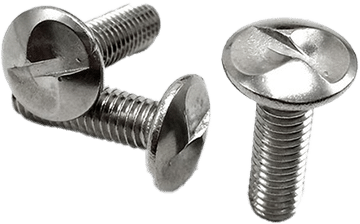
For 100 years, we have been trapped in a exhausting cycle: Buy, break, discard, repeat. Our landfills are overflowing with e-waste, our planetary resources are being depleted, and our wallets are taking a constant hit.
100 Years is Enough
Here is the good news: this century-old spell is finally breaking. A global movement is rising, and consumers are demanding a return to common sense. We are no longer content with being temporary renters of the products we buy; we want to be owners.
The Right to Repair movement is winning major victories across the globe. Thanks to new legislation in the EU and various US states, tech giants and appliance manufacturers are finally being legally forced to change their ways. We are starting to see:
- Accessible Spare Parts: Companies must make official parts available to independent repair shops and consumers alike.
- Repairability Scores: Products are beginning to feature labels showing how easy they are to fix before you buy them.
- Design for Longevity: A new wave of ethical brands (like Fairphone or Framework laptops) are proving that you can build high-tech, modular devices designed to be opened up and upgraded.
Ditching the Disposable Mindset
Ditching planned obsolescence isn’t just about saving money on our next phone upgrade. It’s about rewriting our relationship with the things we own. It’s about respecting the energy, raw materials, and human labor that go into creating our goods.
Next time a device breaks, don’t immediately open a shopping tab. Instead, join the movement that’s taking over cities worldwide and look for a local repair café. If we all demand spare parts, and support brands that build things to last then we can say good riddance to 100 years of planned obsolescence. It’s time to give the next century to sustainability.
You must be logged in to post a comment.